
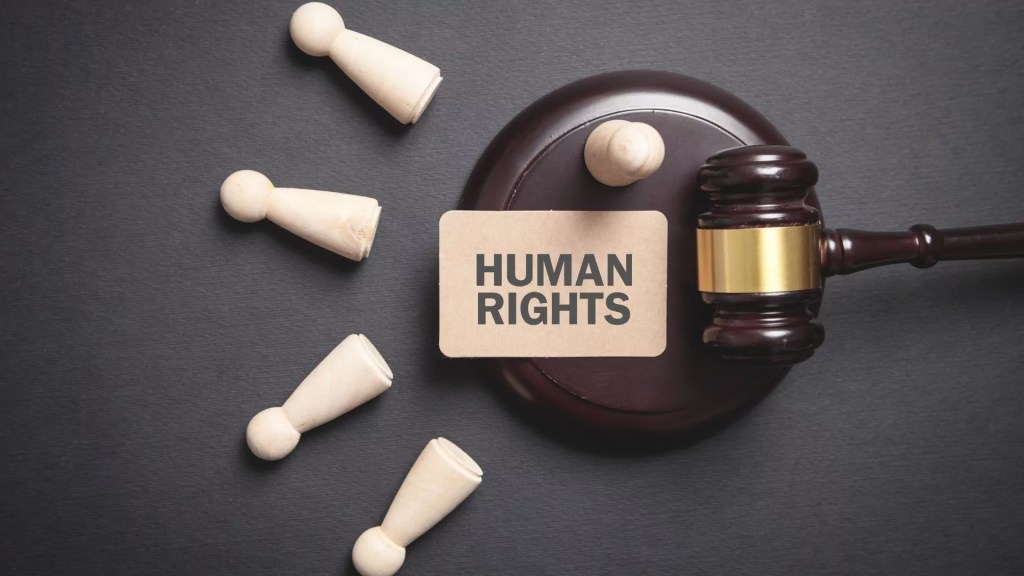
In a world where freedom, dignity, and justice are often challenged, human rights law stands as a powerful tool for protecting the fundamental rights of individuals and groups. These laws are more than just moral principles—they are legally binding rules that safeguard the dignity of every human being. Understanding human rights law and legal protections is essential not only for legal professionals but also for activists, policy-makers, and everyday citizens.
In this article, we will explore the foundations, significance, key elements, legal frameworks, and real-world impact of human rights law. Whether you’re a student, advocate, or curious reader, this comprehensive guide will offer valuable insights into one of the most vital areas of law today.
What Is Human Rights Law?
Human rights law is a body of international and domestic legal principles that guarantee fundamental freedoms and protections to individuals and groups. These rights are considered inherent to all people, regardless of nationality, ethnicity, gender, religion, or social status.
Human rights laws cover a wide range of issues, including:
- The right to life
- Freedom from torture and slavery
- Freedom of speech and expression
- Right to a fair trial
- Right to education and healthcare
- Protection against discrimination
Human rights law seeks to ensure that governments respect, protect, and fulfill these rights.
Origins and Evolution of Human Rights Law
The concept of human rights has ancient roots, but the modern legal framework began after World War II, driven by the global recognition of atrocities and a commitment to prevent them in the future.
Key Historical Milestones:
- 1948: Universal Declaration of Human Rights (UDHR)
Adopted by the United Nations General Assembly, this document outlines 30 fundamental rights and freedoms. - 1966: International Covenants
The International Covenant on Civil and Political Rights (ICCPR) and the International Covenant on Economic, Social and Cultural Rights (ICESCR) form the backbone of international human rights law. - Regional Treaties
Regional instruments like the European Convention on Human Rights (ECHR), American Convention on Human Rights, and African Charter on Human and Peoples’ Rights provide legal mechanisms at regional levels.
Core Principles of Human Rights Law
Human rights law is grounded in a few core principles that shape how rights are interpreted and enforced:
- Universality
Human rights apply to every person, everywhere, at all times. - Inalienability
Rights cannot be taken away, although some may be limited under specific legal conditions. - Indivisibility
Civil, political, economic, social, and cultural rights are all equally important. - Equality and Non-Discrimination
Everyone is entitled to their rights without discrimination based on race, sex, religion, or other status. - Accountability
States and governments are accountable for their actions and can be held responsible for violations.
How Human Rights Law Works
Human rights laws operate through international treaties, regional conventions, and domestic laws. Here’s how these frameworks interact:
1. International Law
Countries that sign and ratify international human rights treaties agree to uphold and protect the rights enshrined in them. Organizations like the United Nations Human Rights Council monitor compliance.
2. Regional Law
Regional courts like the European Court of Human Rights (ECtHR) or Inter-American Court of Human Rights enforce region-specific treaties. Individuals can bring claims if their national courts fail to offer justice.
3. National (Domestic) Law
Many countries incorporate international human rights principles into their constitutions or pass specific human rights legislation. National courts play a vital role in interpreting and enforcing these laws.
Legal Enforcement of Human Rights
One of the most significant aspects of human rights law is that violations can be challenged through legal processes.
Domestic Enforcement
Individuals can bring lawsuits against the government or institutions that violate their rights. Many countries have constitutional courts or human rights commissions that specialize in such cases.
International Enforcement
When national remedies fail, individuals can turn to international bodies, such as:
- The UN Human Rights Committee
- The European Court of Human Rights
- The African Court on Human and Peoples’ Rights
These courts can issue binding judgments or recommendations, although enforcement can be politically sensitive.
Categories of Human Rights
Human rights are typically grouped into several categories:
1. Civil and Political Rights
These protect individual freedoms and participation in civil society.
- Right to life and liberty
- Freedom of speech, assembly, and religion
- Right to a fair trial
- Right to vote
2. Economic, Social, and Cultural Rights
These ensure access to basic needs and participation in cultural life.
- Right to work and fair wages
- Right to education
- Right to healthcare
- Right to social security
3. Collective Rights
Also known as group rights or third-generation rights, these are held by communities.
- Right to self-determination
- Right to development
- Right to a clean environment
Real-World Impact of Human Rights Law
Human rights law has transformed societies and empowered individuals across the globe.
Notable Examples:
- Anti-Apartheid Movement in South Africa
International pressure and human rights litigation helped end racial segregation. - Women’s Rights Movement
Legal advocacy has led to reforms in gender equality, reproductive rights, and workplace protections. - Refugee Protections
Treaties like the 1951 Refugee Convention safeguard the rights of people fleeing persecution. - Freedom of Expression Cases
Landmark rulings in Europe and the Americas have protected journalists and activists.
Despite these achievements, many challenges remain. Human rights violations persist in areas like conflict zones, authoritarian regimes, and marginalized communities.
Human Rights and Legal Professionals
Lawyers, judges, and advocates play a critical role in defending and expanding human rights. Their responsibilities include:
- Representing victims of human rights abuses
- Challenging unjust laws or policies
- Working with NGOs and international organizations
- Educating the public and raising awareness
Organizations such as Amnesty International, Human Rights Watch, and The International Justice Mission also rely heavily on legal experts.
Human Rights and Technology
In the digital age, human rights are facing new challenges and opportunities:
- Privacy Rights: Data collection and surveillance threaten personal freedom.
- Digital Freedom: Social media and online platforms can promote or restrict freedom of speech.
- AI and Discrimination: Bias in algorithms may lead to unequal treatment in hiring, healthcare, and law enforcement.
As technology advances, legal frameworks must adapt to protect human rights in the digital space.
Challenges in Human Rights Law
Despite global commitments, several obstacles hinder the full realization of human rights:
- Lack of enforcement mechanisms
- Political interference and corruption
- Discrimination and systemic inequality
- Suppression of dissent in authoritarian states
- Limited access to justice for vulnerable populations
Combating these challenges requires international cooperation, legal reform, and grassroots advocacy.
The Future of Human Rights Law
Human rights law is constantly evolving to meet new global realities. Emerging areas include:
- Climate Justice: Recognizing a clean and safe environment as a human right.
- LGBTQ+ Rights: Expanding protections for sexual and gender minorities.
- Rights of Indigenous Peoples: Preserving cultural identity, land, and autonomy.
- Business and Human Rights: Holding corporations accountable for human rights abuses in global supply chains.
As awareness grows, legal systems are beginning to reflect the complex, interconnected nature of human rights in the 21st century.
Conclusion
Human rights law and legal protections are the cornerstone of modern justice systems. They empower individuals, hold governments accountable, and promote equality and dignity for all. Whether enforced through national courts or international tribunals, human rights law serves as a beacon of hope in the fight against injustice.
Understanding your rights—and how to defend them—is more important than ever in today’s globalized, digital, and often divided world. As we continue to strive for justice, peace, and equality, human rights law remains one of the most powerful tools we have.
 Criminal Attorney law
Leave a comment